India’s medical education sector has received a major boost with the addition of over 11,000 MBBS seats for the 2026 academic session. This development brings encouraging news for lakhs of students preparing for the NEET examination each year. With medical seats traditionally limited compared to the number of applicants, the expansion is expected to create more opportunities for aspiring doctors across the country.
The increase in seats is part of a broader initiative to strengthen India’s healthcare system and ensure that more qualified students get the chance to pursue medical education within the country.
Every year, more than 20 lakh students appear for the NEET exam, making it one of the most competitive entrance exams in India. Despite the large number of NEET aspirants, the availability of medical seats has remained comparatively limited. This imbalance often leads to intense competition and high cut-offs.
The addition of more than 11,000 seats is expected to reduce this gap slightly by allowing more students to secure admission into medical colleges. While the competition will still remain high, the expanded capacity offers better chances for deserving candidates.
A large portion of the newly added seats comes from newly established medical colleges as well as the expansion of existing institutions. Moreover, several state governments have collaborated with central authorities to upgrade district hospitals and convert them into teaching institutions.
This approach not only increases the number of MBBS seats but also strengthens healthcare infrastructure in regions that previously lacked advanced medical facilities.
Another key goal behind increasing medical seats is to improve healthcare access in underserved areas. Many of the new medical colleges are being set up in smaller cities and districts where access to specialized healthcare has traditionally been limited.
When a medical college is established in a region, it typically leads to the development of better hospitals, improved medical equipment, and the availability of trained doctors. As a result, local communities benefit from both enhanced healthcare services and educational opportunities.
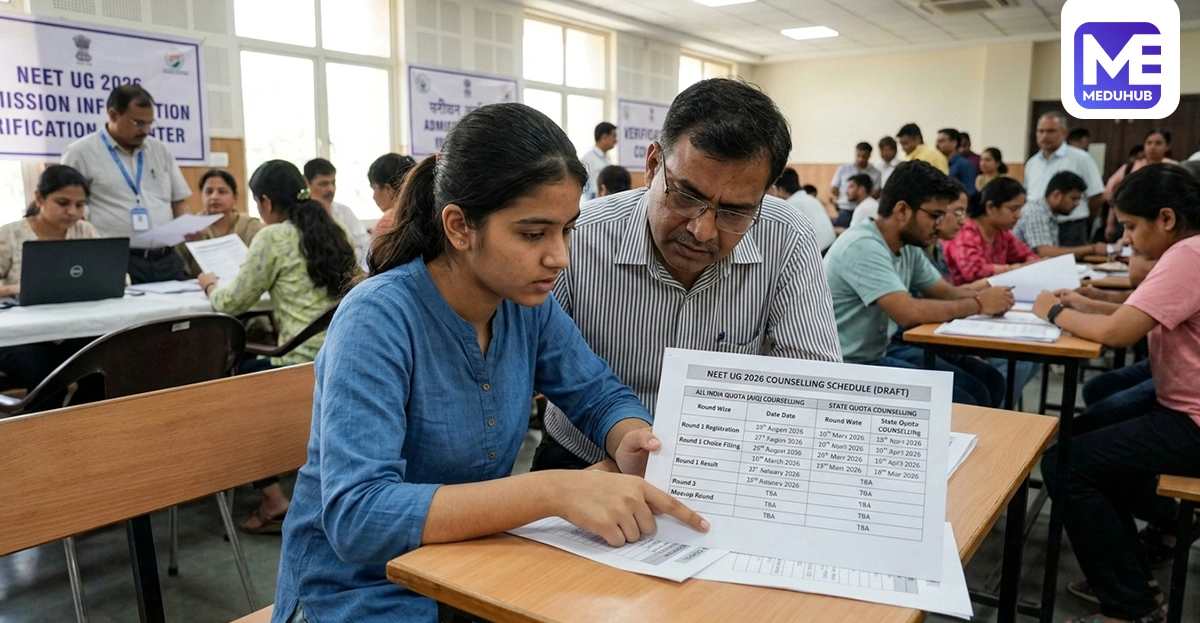
For students preparing for NEET 2026, the increase in MBBS seats is certainly a positive development. More seats mean that a larger number of qualified candidates will have the opportunity to pursue medical education in India rather than seeking admission abroad.
However, experts emphasize that students should not assume the exam will become easy. NEET will continue to demand strong conceptual understanding, consistent revision, and disciplined preparation.
The expansion of MBBS seats reflects a long-term vision to address the shortage of doctors in India. As the population grows and healthcare demands increase, the country requires a larger pool of trained medical professionals.
Consequently, by expanding medical education and increasing the number of seats, India is taking an important step toward building a stronger and more accessible healthcare system for the future.
For NEET aspirants, this news serves as both encouragement and motivation to continue working hard toward their goal of becoming doctors.