If you are preparing for the Foreign Medical Graduate Examination(FMGE), then there is a need for combining studies, revision, and solving questions. You might run into some problems after completing your syllabus if you didn't plan your schedules or did an analysis of your mock test or change up your schedules right before taking the exams.
The knowledge about typical errors in preparation will help you to make better use of your available time. If you are getting prepared for the FMGE session in October 2026, then read these seven FMGE preparation mistakes.
Preparation for FMGE needs more than just completing the syllabus. Revisions, practice through MCQs, and analysis of mock tests will make you realize where your strengths and weaknesses lie. Proper management of time, learning, and retention of important concepts will also be possible by avoiding common errors made during preparation for the October 2026 examination.
Sitting on one single hard question for too long may have an effect on your timing during the test. Sitting on a question again and again without any good reason may give you less time to deal with the other easy questions.
How to Avoid: Sitting on one single hard question for too long may have an effect on your timing during the test. Sitting on a question again and again without any good reason may give you less time to deal with the other easy questions.
Concentrating excessively on easy subjects leaves room for other subjects within the syllabus of medicine to be neglected. It is important to know that good marks in certain subjects will not cover up a lack of knowledge in the rest of the syllabus.
How to Avoid: Prepare a plan for revision of subjects such as Medicine, Surgery, Obstetrics & Gynaecology, among others. From your practice sessions, find out the weaknesses and revise them. Do not always revise subjects you have revised before; ensure revision of the whole curriculum.
Shunning mock tests because of poor marks means missing out on recognizing weak areas in preparation for the exam. However, conducting tests without analyzing the results is also wasted effort.
How to Avoid: Take Timed Mock Tests Regularly. After taking them, evaluate your answers. Try to classify your mistakes, whether they are due to knowledge gaps, difficulty recalling, misinterpretation, etc. Use this analysis to make your next revision sessions much better, which will ultimately help you improve your FMGE score.
Reading new books, downloading further PDF files, or changing study notes just before the examination can interfere with your preparation schedule. There might not even be enough time to revise the subjects already covered.
How to Avoid: In these last few days, you should spend most of your time revising existing resources, going through short notes, and making corrections to whatever errors were found before. If there is still something that you don’t know, take up only those things that you don’t know and not something new altogether.
Studying for long periods of time through constant reduction in sleep will end up leaving you feeling tired and less concentrated. Inconsistent eating times, no break intervals, and excessive studying could contribute to inconsistency in your routine.
How to Avoid: Maintain a steady sleeping pattern, consume nutritious meals, hydrate yourself well, and take breaks after long periods of studying. Prepare for your exams in such a way that you will not rely on last-minute studying. It is much easier to maintain consistency than to sacrifice your sleep for studying.
Only preparation with handwritten notes could make you less acquainted with various types of questions. Previous-year questions would help you judge your level of knowledge, and practicing with appropriate images would help you interpret the clinical information visually.
How to Avoid: It is advisable to include last year’s questions in your routine practice along with an analysis of the concept used to answer them. Work on radiological, pathological, and clinical images through authentic medical learning materials. Do not consider these questions as a repetition of knowledge but only as a tool for assessing knowledge.
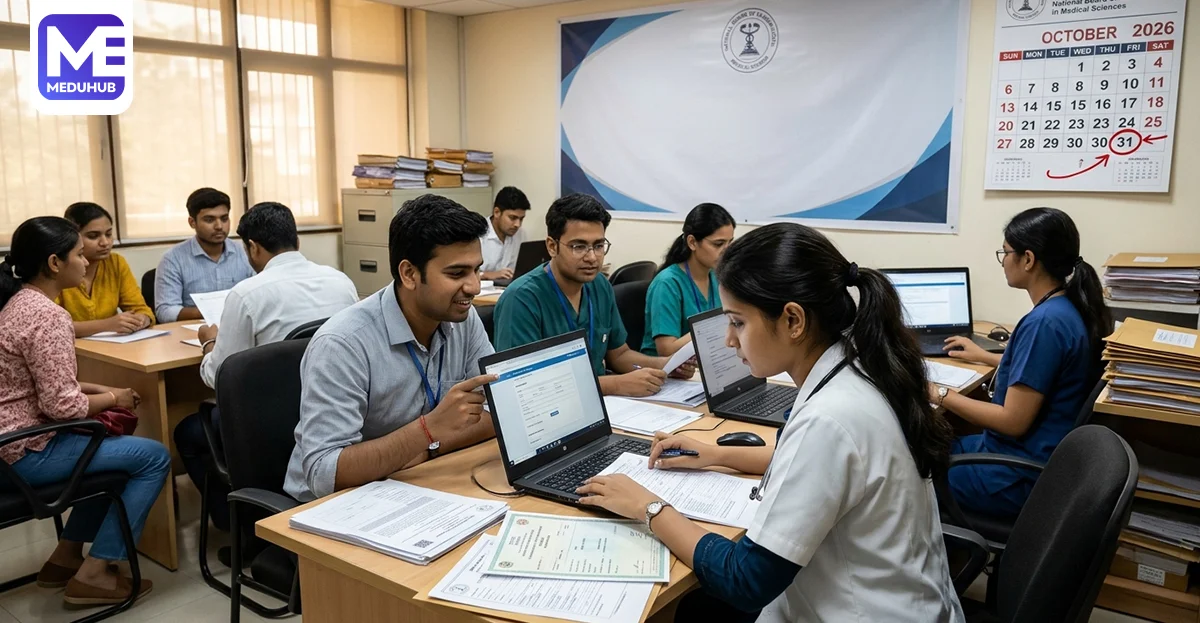
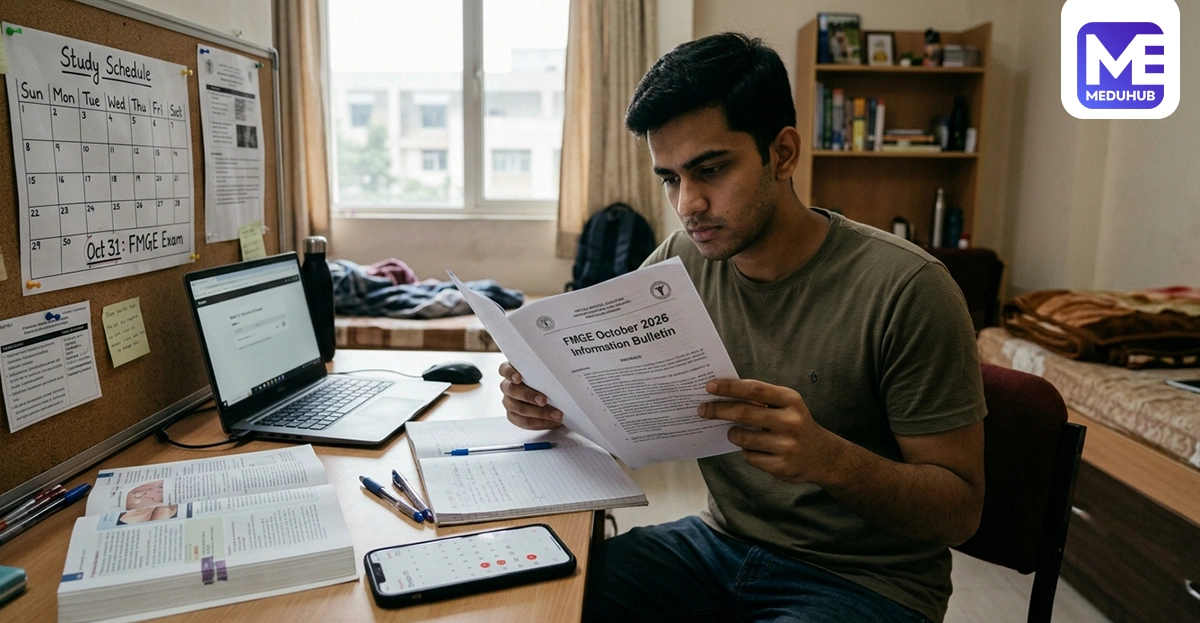
Carefully read the official bulletin of information as well as your admit card. The reporting time, test center, documents allowed, and instructions will be available on the official NBEMS FMGE website. Practice timed questions while preparing, but do as instructed on the exam day. Do not take anything for granted unless there is an official announcement by NBEMS.
By steering clear of these FMGE common mistakes, we can help ensure that you spend more time optimizing your study schedule by focusing only on effective preparation for the upcoming exams.
So if you're planning to appear for the October 2026 examination, first things first! Please read through all instructions from NBEMS, then check out all your existing resources to help with your FMGE Preparation. And don’t forget to explore our different resources here, which are great for helping you with FMGE exam preparation.
Why is the FMGE pass rate so low?
The FMGE pass rate can be low due to gaps in conceptual understanding, insufficient revision, limited MCQ practice, and difficulty applying medical knowledge under exam conditions.
Is 150 a passing score in FMGE?
Yes, candidates must score at least 150 out of 300 marks to pass the FMGE, according to the official examination bulletin.
Is FMGE easy or tough?
FMGE can be challenging because it tests medical knowledge across multiple subjects and requires consistent preparation, revision, and question practice.
Is FMGE harder than NEET?
FMGE and NEET assess different objectives, so their difficulty cannot be directly compared; FMGE evaluates foreign medical graduates seeking to meet India's screening requirements.
What is a good FMGE score?
A score of 150 out of 300 is the minimum passing mark, while aiming comfortably above the cutoff can provide a useful preparation target.