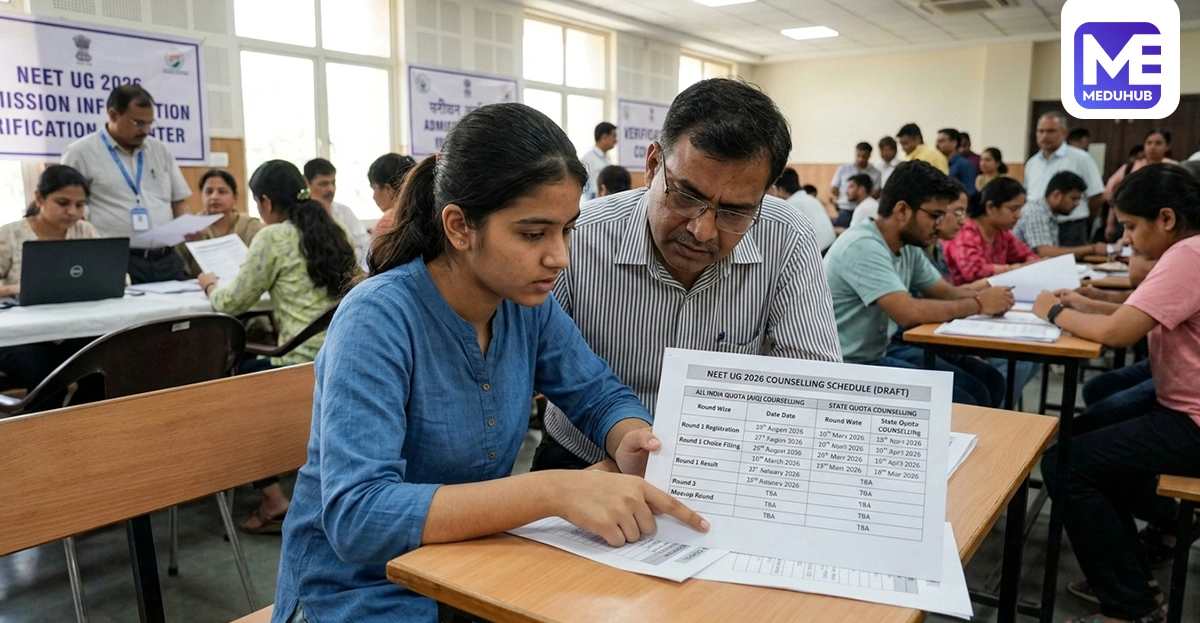
After NEET UG 2026 results are out, one question consumes almost every qualified candidate and their family: government seat or private seat? The answer usually comes down to money. Government medical college fees in India can be a fraction of what a private MBBS seat costs, but government seats are limited and fiercely competitive, while private colleges open up far more choices if you can afford them or find the right scholarship. This guide breaks down what MBBS actually costs on both sides, where genuine financial support is available, which institutes rank highest in the country, and how to think through choosing between government and private medical colleges once your result is in.
Government medical college fees in India are heavily subsidized, which is exactly why competition for these seats is so intense. AIIMS campuses charge a token amount: tuition runs into a few thousand rupees a year, and the entire 5.5-year course, hostel and mess included, typically stays under ₹50,000. JIPMER and other centrally-funded institutes follow a similar model.
At state government medical colleges, annual tuition usually falls between ₹10,000 and ₹2,50,000, depending on the state and whether you hold an All India Quota or state quota seat. Over the full course, most students pay ₹50,000 to ₹10 lakh in total. States also apply fee waivers for SC, ST, OBC, and EWS candidates, so your actual cost can be lower still.
Compared with government colleges, private medical college fees in India sit in a completely different bracket. Tuition for general/merit seats typically runs ₹7–25 lakh a year, while management quota seats often cost ₹12–30 lakh annually. Deemed universities are usually priciest, charging ₹25–45 lakh a year, and NRI quota seats, the highest tier, frequently cross ₹25–60 lakh a year. Across the full course, total costs at private and deemed colleges commonly range from ₹40 lakh to well over ₹1 crore.
One regulation worth knowing: the National Medical Commission has directed that fees for 50% of seats in private colleges and deemed universities should match the government college fee in that state, prioritising government-quota-eligible candidates on merit. Implementation varies by state, and the rule has faced legal challenges, so always confirm the exact NMC-notified fee for your specific college.
Whichever college you choose, the MBBS fee structure is rarely just tuition. Before committing, add up:
At government colleges, these extras are usually modest. At private and deemed universities, hostel, mess, and one-time charges alone can add ₹2–5 lakh to the headline tuition figure, so always ask for the complete fee breakup, not just the number in a brochure, before choice-filling at counselling.
This NEET scholarship guide covers the main options worth applying for, whether you land a seat with low government medical college fees or a costlier private one:
Apply through the National Scholarship Portal, and re-check eligibility and amounts every year, since income ceilings and awards get revised periodically.
Rankings shouldn't decide your college alone, but they're a useful filter. Per the NIRF 2025 Medical rankings from the Ministry of Education, these are consistently rated among the best medical colleges in India:
Nearly all of the top 8 are government-funded, which is part of why government medical college fees and seats at these institutes are so contested. When shortlisting, weigh rank alongside NMC recognition, clinical exposure, and faculty strength, and keep working on improving your NEET score to widen your options at counselling.
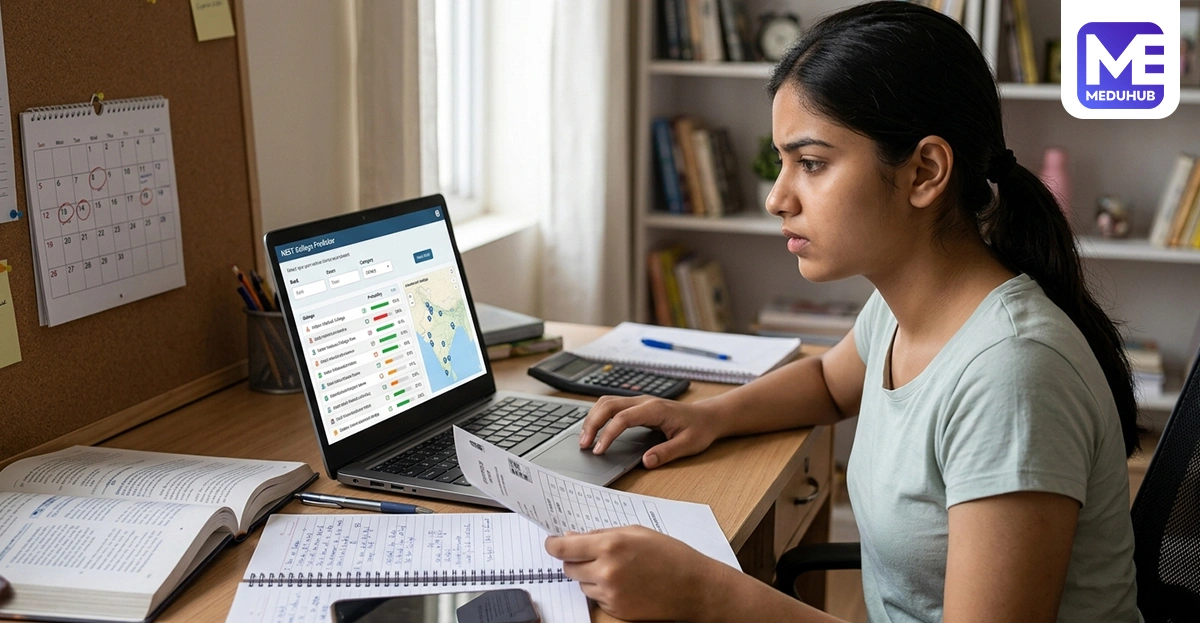
Once your NEET UG rank is in hand, weigh these factors together rather than deciding on cost or ranking alone:
If your rank comfortably clears a government cutoff, low government medical college fees make that the more economical route. If not, a well-chosen private college backed by the right scholarship can still be a sound investment.
Government medical college fees remain the most affordable route into an MBBS degree in India, but that affordability comes with intense competition for a limited number of seats. Private and deemed colleges cost significantly more, though NMC's fee-parity rule, state regulatory committees, and scholarships can narrow the gap for eligible students. Before finalising any choice at counselling, add up the full MBBS fee structure- not just tuition- and check every scholarship you may qualify for on the National Scholarship Portal. Whichever path you choose, a strong NEET score keeps more of these choices open, and structured NEET-UG preparation is a good place to start. A good college is only the first step; plan your career options after MBBS early, too.
AIIMS has the lowest fees in the country; tuition runs into a few thousand rupees a year, with the full 5.5-year MBBS course typically under ₹50,000 including hostel and mess.
Private colleges typically charge ₹7–30 lakh a year depending on quota, with management and NRI seats higher still; the full course can cost ₹40 lakh to over ₹1 crore.
Yes. Most central and state scholarships are tied to income and category, not college type, though a few need a government-quota seat. Check current eligibility on the National Scholarship Portal.
As per NIRF 2025 rankings, AIIMS Delhi holds the top spot in the medical category, a position it has held for several years running.
NMC guidelines direct this for 50% of seats in private and deemed colleges, but implementation varies by state and has faced legal challenges; always verify the specific college's notified fee.