Low scoring in NEET is certainly a matter of disappointment, but that doesn’t mean that one’s dream of becoming a doctor comes to an end. Every year, thousands of candidates obtain MBBS seats from government, private, and deemed medical colleges by going through proper counselling procedures.
Those looking out for Medical Colleges for Low NEET Score should know about their choices, probable fees, and ways to get MBBS seats in recognized colleges.
Yes, but your options depend on factors such as:
However, a low rank decreases the chances of being admitted to any of the best government-run medical institutions, but several private/ deemed NMC-accredited institutions tend to admit students with relatively low ranking in the subsequent counseling sessions. All admission procedures have to be done through counseling sessions only.
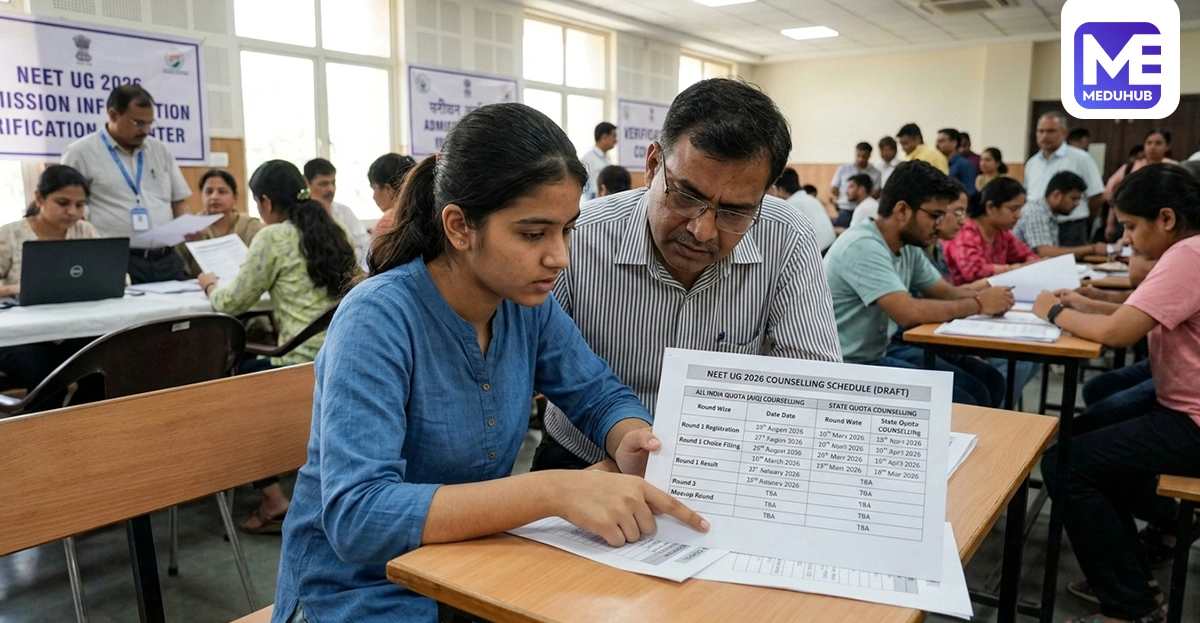
Students with low NEET scores for MBBS admission should participate in every counselling round, including mop-up and stray vacancy rounds, where vacant seats may become available according to counselling rules.
Rather than focusing only on colleges accepting lower scores, students should compare affordability and recognition status.
Government colleges remain the most affordable option because annual tuition fees are relatively low. However, admissions usually require:
Even with a lower score, some candidates from reserved categories may secure seats depending on state counselling trends.
Private medical colleges are often the best choice for students seeking MBBS with Low NEET Marks.
Advantages include:
Annual tuition fees commonly range from moderate to high depending on the state and institution.
Deemed universities admit students through MCC counselling and generally offer:
Although fees are higher, these institutions remain a practical option for students unable to secure government seats. Admissions are conducted through the Medical Counselling Committee (MCC).
Apart from tuition fees, students should also compare:
Choosing a college solely because it accepts a lower NEET score may not always be the most economical decision. Comparing the total cost of education is equally important.
Many students specifically search for Colleges Accepting 300 NEET Marks. The actual admission possibility depends on:
Students must prepare a list of realistic colleges according to past trends of counselling rather than aiming at a specific score. An official list of medical colleges is maintained by the NMC, while MCC does the counselling for All India Quota and deemed universities.
A lower NEET score doesn't automatically eliminate your chances of getting an MBBS seat. Smart counselling decisions often make a significant difference. Here are some practical strategies:
The Medical Counselling Committee (MCC) also updates counselling rules periodically to improve transparency and the admission process, making it important to stay informed through official notifications.
Many students believe that only NEET marks matter. In reality, several factors determine admission opportunities.
Cut-offs differ for General, OBC, EWS, SC, ST, and PwD categories. Candidates applying under reserved categories may have different admission possibilities depending on counselling policies.
Most government medical colleges reserve a significant percentage of seats for domicile candidates. Participating in your state's counselling can improve your chances of securing an affordable MBBS seat.
Vacant seats are often filled in later rounds, making Mop-Up and Stray Vacancy rounds important for students with lower ranks.
Applying only to highly competitive colleges may reduce your chances. A balanced preference list with government, private, and deemed universities generally offers better admission opportunities.
While searching for Medical Colleges for Low NEET Score, many aspirants make avoidable mistakes that reduce their chances of admission. Avoid these common errors:
Students should always verify a college's recognition status through the official NMC College Search portal before accepting admission.
A lower NEET score often leads students to focus solely on securing a seat, but affordability should be equally important. Before finalizing a college, compare:
Selecting an affordable, NMC-recognised institution can reduce financial stress while ensuring a quality medical education.
It is tough but not impossible to secure a seat in the MBBS course with fewer marks in the NEET test by proper planning and making the right decisions.
One needs to consider recognised government, private, and deemed medical colleges, apply to all the rounds of counseling, and compare fees instead of just considering colleges accepting 300 NEET marks.
In fact, instead of just searching Colleges Accepting 300 NEET Marks, one must also consider factors like recognition of the medical institution and its educational quality.
Yes. Admission is possible through NMC-recognised private medical colleges, deemed universities, and, in some cases, government colleges depending on your category, state quota, and counselling round.
There is no fixed list because cut-offs vary every year based on factors such as the number of applicants, seat availability, counselling rounds, and reservation policies.
Private medical college fees vary widely. Some institutions offer comparatively affordable tuition, while others have higher fee structures. Comparing the total cost, including hostel and miscellaneous charges, is essential before making a decision.
Yes. Students should always choose an NMC-recognised medical college to ensure their degree is valid for further registration and medical practice in India.
Students should participate in all counselling rounds, including Round 1, Round 2, Mop-Up, and Stray Vacancy rounds, as additional seats may become available during the later stages of the admission process.