Being awarded an MBBS degree is no small feat; however, for most doctors who have recently graduated, it marks the start of a long and fascinating journey in medicine. As a doctor who has completed your undergrad studies and is about to embark upon your professional career, there comes one crucial choice – what you choose to specialize in. Making the right decision regarding post-graduation will influence your daily activities, work with patients, and the course of your career. Should you be bewildered by the multitude of choices available, then this guide on medical specializations will help make the right decision. Through an assessment of your preferences and career objectives, you will easily find your way forward. If you want to get some advice about your future in medicine from professionals, then consider the career counseling services offered by Meduhub.
Once you decide on the type of work environment you prefer, the next step in our medical specialization guide is narrowing down specific subjects. The competition for postgraduate seats is fierce, so it helps to have a clear target in mind. When evaluating the best PG courses after MBBS, consider both your aptitude during your clinical rotations and the future demand for the specialty.
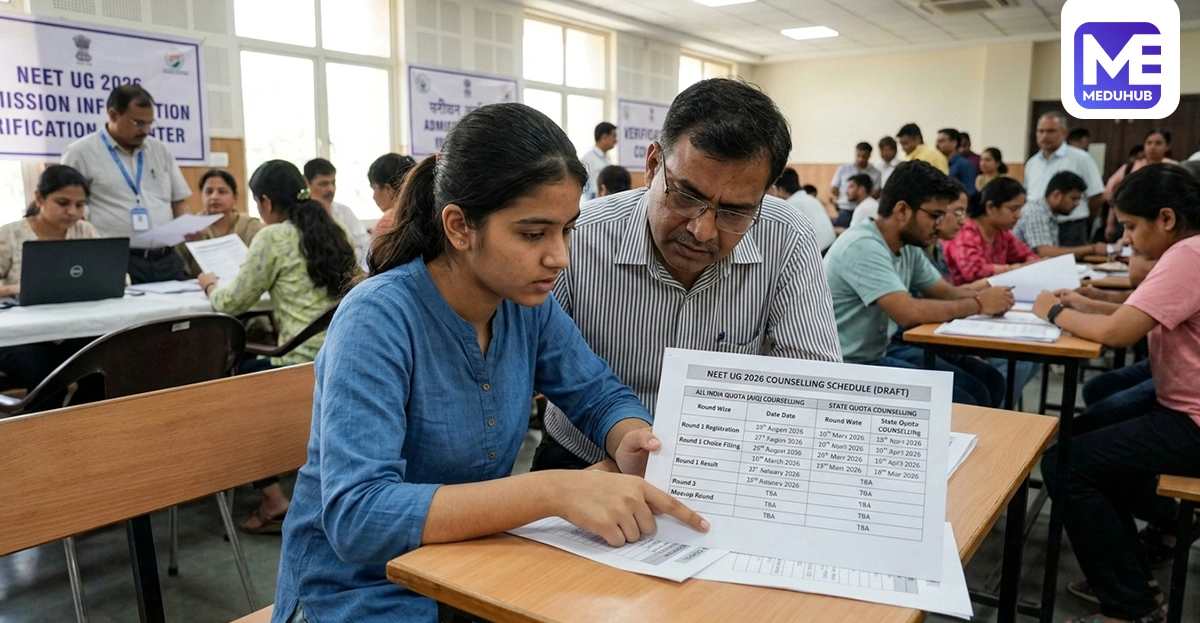
Just knowing what you want isn’t enough; achieving the necessary ranking to make it happen is much harder. Good NEET PG preparation calls for a well-thought-out strategy rather than simply working without any planning. Due to the large number of subjects covered by the NEET-PG syllabus (covering 19 out of 19 subjects from your MBBS), you need to plan your time well.
The best way to study is by following an organized timetable that includes studying high-yield topics. Many NEET PG top scorers recommend that you complete Medicine, Surgery, OBG (Obstetrics and Gynecology), and PSM (Preventive and Social Medicine) first in your time table.
Revising regularly is imperative. The medical specialization guide insists on spending the last few months of your NEET preparation only solving mock tests and going through past question papers.
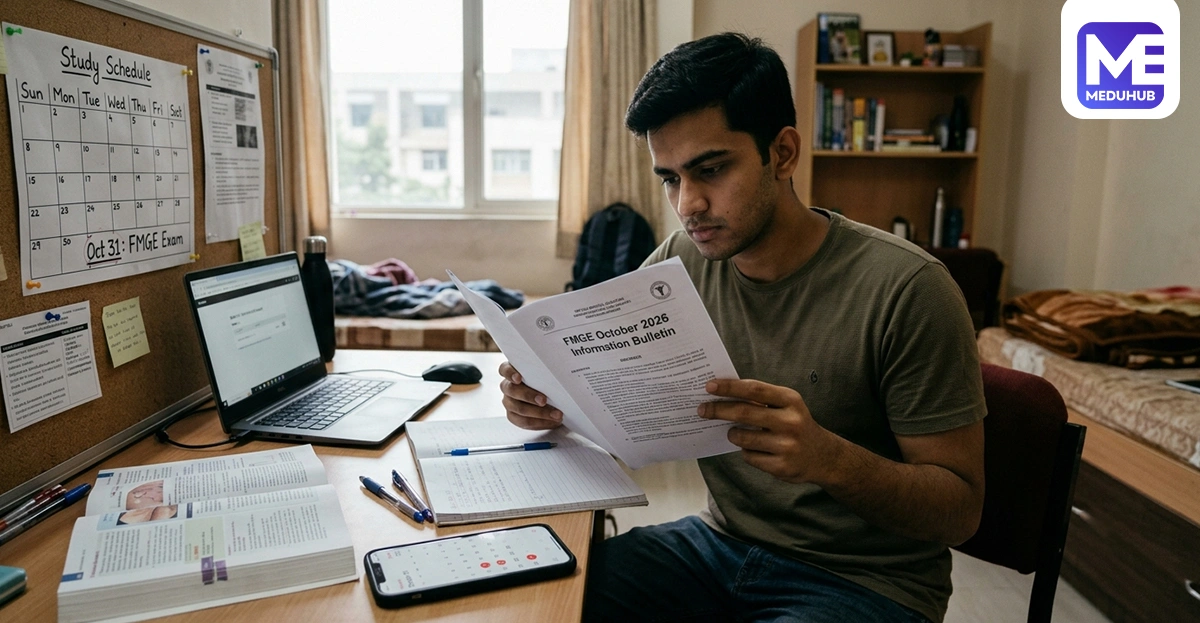
If you completed your MBBS abroad, your postgraduate pathway looks slightly different from that of an Indian medical graduate. It is essential to understand the distinction between NEET PG vs FMGE to plan your next steps accurately.
The Foreign Medical Graduates Examination (FMGE) is a screening test. It is mandatory for Indian citizens who hold medical degrees from foreign universities and wish to practice medicine in India. You cannot pursue postgraduate studies or practice clinically in India until you clear this exam and complete your mandatory internship.
Once you have your permanent registration from the National Medical Commission (NMC), you are officially on a level playing field with domestic graduates. From that point forward, you must take the NEET PG exam to secure a postgraduate seat.
While the FMGE tests your fundamental competence to practice as a doctor, NEET PG is a highly competitive ranking exam designed to allocate specialty seats based on merit.
Choosing your postgraduate branch is one of the most defining moments of your medical career. Take the time to reflect on your clinical experiences, your desired lifestyle, and your long-term professional aspirations. Whether you prefer the fast-paced environment of a surgical theater or the analytical calm of a pathology lab, this medical specialization guide is meant to help you align your goals with reality.
Remember, there is no single "best" branch, only the branch that is best for you. Stay focused on your preparation, keep your options open, and trust your instincts. If you need further assistance with counseling, college selection, or mapping out your postgraduate journey, explore the expert guidance available at Meduhub today.
Choose clinical branches if you love direct patient interaction, procedures, and a fast-paced environment. Opt for non-clinical branches if you prefer fixed working hours, research, and diagnostics.
Radiodiagnosis, Dermatology, and Psychiatry are top choices for work-life balance. They offer excellent career growth with predictable hours and minimal emergency on-call duties.
FMGE is a mandatory screening test that grants foreign medical graduates the license to practice in India. NEET PG is the competitive ranking exam required for all doctors to secure a postgraduate specialty seat.
Start building your foundational knowledge during the third and final years of your MBBS. Shift to an intensive, structured study plan with daily mock tests during your internship year.
Reflect on which internship postings you genuinely enjoyed and consult a comprehensive medical specialization guide. Speaking directly with senior residents in your fields of interest will also give you realistic career insights.